No Results Found
The page you requested could not be found. Try refining your search, or use the navigation above to locate the post.

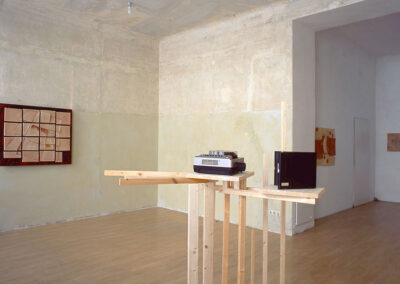
Fox, Vienna, 19.03. – 08.04.2017
my volcano erupts
Anna Hofbauer
only not for you
Clemens Roesch, 2017
(English by Douglas Deitemyer)
Nearly everything I know at this moment about “mein Vulkan bricht nur für dich nicht aus Anna Hofbauer,” everything I have seen and heard, came to me from two black cases: one is hand-sized and cannot be opened, the other is the size of a magazine and can be unfolded. On each of them, one of the surfaces is covered by a piece of glass that, through some tricks I do not understand, is illuminated from within, thus conveying to me ideas and impressions. I run the tip of my right index finger across the glass of the smaller case without being able to feel much. The glass is completely smooth – perhaps a bit of dust, grease, a small irritation caused by some dried fluid that my fingernail scratches away.


Other Exhibitions
Fox, Vienna, 19.03. – 08.04.2017
my volcano erupts
Anna Hofbauer
only not for you
Clemens Roesch, 2017
(English by Douglas Deitemyer)
Nearly everything I know at this moment about “mein Vulkan bricht nur für dich nicht aus Anna Hofbauer,” everything I have seen and heard, came to me from two black cases: one is hand-sized and cannot be opened, the other is the size of a magazine and can be unfolded. On each of them, one of the surfaces is covered by a piece of glass that, through some tricks I do not understand, is illuminated from within, thus conveying to me ideas and impressions. I run the tip of my right index finger across the glass of the smaller case without being able to feel much. The glass is completely smooth – perhaps a bit of dust, grease, a small irritation caused by some dried fluid that my fingernail scratches away.
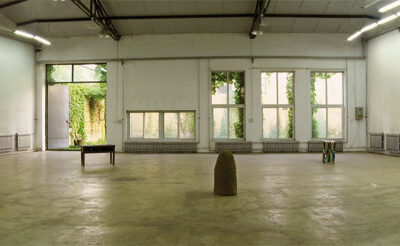
Mein Vulkan bricht nur für dich nicht aus Anna Hofbauer, FOX, Vienna, 2017
bananas & cherries, 67,5 x 81,5 x 3 cm, terra cotta, 2016, whirl, 48 x 48 x 2,5 cm, unrefined terra cotta, 2017
whirl, 48 x 48 x 2,5 cm, unrefined terra cotta, 2017, Ghoststory II, b/w inkjet print, 100 x 130 cm, 2017, Ghoststory III, b/w inkjet print, 100 x 130 cm, 2017
Mainsquare, wood, slide projector, telescreen, Zibo Glassblowing, Dom Revolucije Niksic, 250 x 80 x 170 cm, 2017, Vulkano I, wood, terra cotta, varnish, acrylics, 110 x 94 x 9 cm, 2017
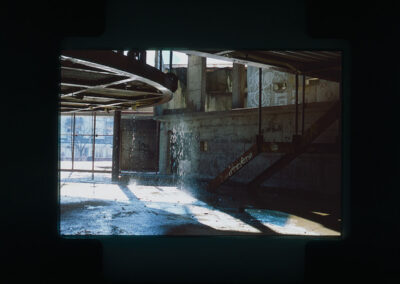
slideprojection, Dom Revolucije Niksic – Glassblowing Zibo, 22 E6 color slides, 2017
Ghoststory I, b/w inkjet print, 100 x 130 cm, 2017
bananas & cherries, 67,5 x 81,5 x 3 cm, terra cotta, 2016
whirl, unrefined terra cotta, 48 x 48 x 2 cm, 2017
Vulkano II, terra cotta, engobe, 76 x 76 x 4 cm, 2017
Vulkano I, wood, terra cotta, varnish, acrylics, 110 x 94 x 9 cm, 2017
mein Vulkan bricht nur für dich nicht aus Anna Hofbauer, folder, text by Clemens Roesch, graphic design: Dominik Hruza, 2017
Other Exhibitions

slide show performance, 25 E6 color slides, 12 min, 2018
Bora Ćosić wrote ‘The Tutors’ from 1972 to 1977 in Belgrade. Ćosić, as many other artists at that time, was silenced by the Yugoslavian regime. His books had disappeared from the bookstores, his plays were taken off the schedule and he was critizised in newspapers for his destructive and hostile writing style.
In this rejected situation, in a state of joyful loneliness, he devoted himself to the “proletariat” of language, the counter-language of ordinances, ways of speaking, letters, all the prefabricated phrases, these tutored languages and inserted them into the events of his family chronicle, which begins in 1828 and ends with him as an author in 1977.
The slide show Anna Hofbauer reads Bora Ćosić ‘The Tutors” is composed of slides taken during various trips to countries of former Yugoslavia and the former Austrian-Hungarian Empire. The text is an assemblage of short excerpts from the book ‘The Tutors’ by Bora Ćosić.
Three short text passages from three different chapters of “The Tutors” are vocally interpreted according to the different writing styles and range from a hard cut officials’ intonation to a staccato of nonsense rhymes and end in an exhausted matter-of-fact descriptive tone.
The slide projection is arranged in alphabetical order, which creates a random order of places and countries in a strict system. A system undermined – again – by the language, as German and Serbo-Croatian namings are chosen by chance.
Albania (landscape, 2002)
Bosnia Herzegovina (river, 2017)
Crna Gora (man at platform, 2013)
Dunajuvaros (swimming pool, 2004)
…


Other Slideshows
The page you requested could not be found. Try refining your search, or use the navigation above to locate the post.
slide show performance, 25 E6 color slides, 12 min, 2018
Bora Ćosić wrote ‘The Tutors’ from 1972 to 1977 in Belgrade. Ćosić, as many other artists at that time, was silenced by the Yugoslavian regime. His books had disappeared from the bookstores, his plays were taken off the schedule and he was critizised in newspapers for his destructive and hostile writing style.
In this rejected situation, in a state of joyful loneliness, he devoted himself to the “proletariat” of language, the counter-language of ordinances, ways of speaking, letters, all the prefabricated phrases, these tutored languages and inserted them into the events of his family chronicle, which begins in 1828 and ends with him as an author in 1977.
The slide show Anna Hofbauer reads Bora Ćosić ‘The Tutors” is composed of slides taken during various trips to countries of former Yugoslavia and the former Austrian-Hungarian Empire. The text is an assemblage of short excerpts from the book ‘The Tutors’ by Bora Ćosić.
Three short text passages from three different chapters of “The Tutors” are vocally interpreted according to the different writing styles and range from a hard cut officials’ intonation to a staccato of nonsense rhymes and end in an exhausted matter-of-fact descriptive tone.
The slide projection is arranged in alphabetical order, which creates a random order of places and countries in a strict system. A system undermined – again – by the language, as German and Serbo-Croatian namings are chosen by chance.
Albania (landscape, 2002)
Bosnia Herzegovina (river, 2017)
Crna Gora (man at platform, 2013)
Dunajuvaros (swimming pool, 2004)
…

Anna Hofbauer liest Bora Ćosić: Die Tutoren, slide show performance, 25 E6 color slides, 12 min, Skulptureninstitut, 2018

Anna Hofbauer liest Bora Ćosić: Die Tutoren, slide show performance, 25 E6 color slides, 12 min, Skulptureninstitut, 2018
Cosic_00_Prolog
Cosic_01_Albanien
Cosic_02_Bosnien
Cosic_03_CrnaGora
Cosic_04_Dunajuvaros
Cosic_05_E
Cosic_06_Foca
Cosic_07_Gailtal
Cosic_08_Hrvatska
Cosic_09_Italien
Cosic_10_Josip Jelacic Platz
Cosic_11_Konjarik
Cosic_12_Lepenski Vir
Cosic_13_Mostar
Cosic_14_Niksic
Cosic_15_Ostrog
Cosic_16_Podgorica
Cosic_17_Q
Cosic_18_Republika Srpska
Cosic_19_Serbien
Cosic_20_Travnik
Cosic_21_Ungarn
Cosic_22_Vojvodina
Cosic_23_Wien
Cosic_24_Zemun

Poster, Die Tutoren, graphic design: Dominik Hruza, 2018
Other Slideshows
The page you requested could not be found. Try refining your search, or use the navigation above to locate the post.
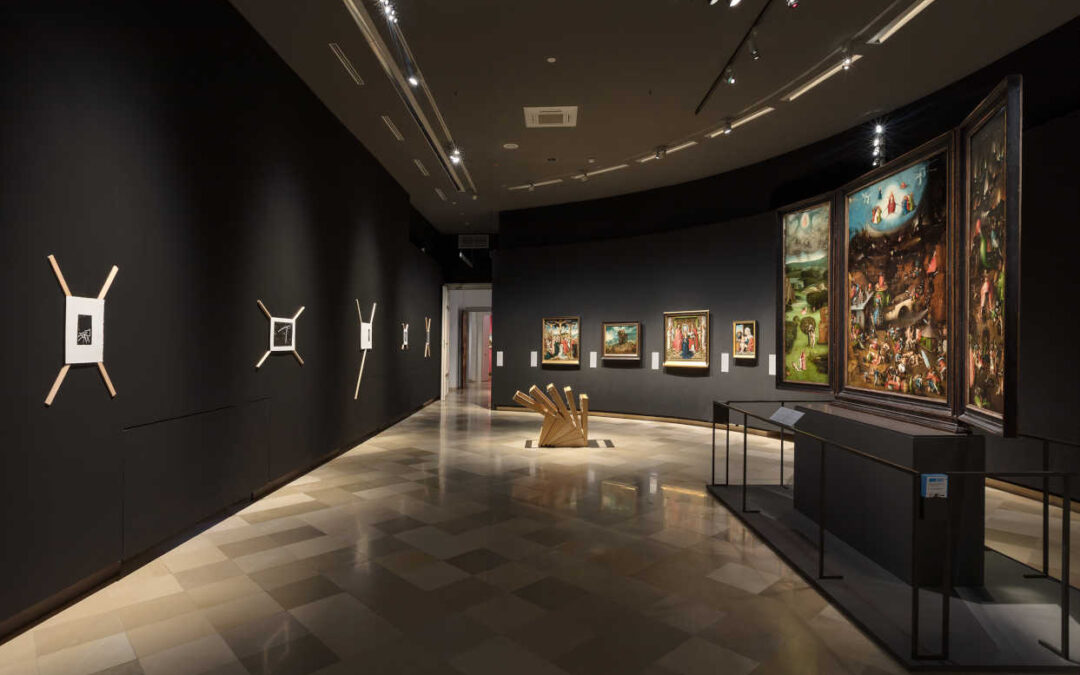
Gemäldegalerie der Akademie Wien, Vienna, 13.04. – 17.06.2018
Das Herzstück der Gemäldegalerie der Akademie der bildenden Künste Wien ist das Triptychon mit der Darstellung des Jüngsten Gerichts von Hieronymus Bosch (um 1450/55 – 1516). Das dreiteilige Altarwerk zählt zu den weltweit bedeutendsten Kunstwerken der Zeit um 1500. Das Retabel gibt bis heute Rätsel auf und ist der unbestrittene Publikumsmagnet der Sammlung.
Die Ausstellungsreihe zeigt Korrespondenzen zwischen dem Werk des niederländischen Malers und den anderer Künstler:innen auf und setzt in regelmäßiger Folge Kunstwerke zu seinem Weltgerichts-Altar in Beziehung.
In der Ausstellung Bosch & Hofbauer setzt sich Hofbauer mit den Mitteln und Methoden der Überlieferung von Erzählungen auseinander. Dabei untersucht sie die Frage, wie sich die Verwendung des Mediums auf die Beschaffenheit und Textur der Mitteilung auswirkt.
Der Augenblick des Wissens über die Abweichung und Umformung von Material spielt eine wichtige Rolle in der künstlerischen Arbeit von Anna Hofbauer, die Bühnengestaltung und Bildhauerei studiert hat. In traditionellen Medien der Bildhauerei und der analogen Fotografie verarbeitet und dokumentiert sie in experimentellen Vorgängen die Veränderungen die sich aus dem Kontext von räumlichen und gesellschaftlichen Erzählungen auf diese ergeben und sich im Lauf des künstlerischen Prozesses zeigen. Ausgangsobjekte ihrer Erforschung stellen u.a. archäologische Funde, Techniken der Bildhauerei, aber auch Geh- und Reisepfade dar.
Zu seiner Zeit verwandelte Bosch nicht nur textuelle Passagen in Bilder, auch Mischwesen wie sie die Buchmalerei als Randerscheinungen der Texte hervorbrachte, ließ er in seine Gemälde mitwandern.
Die Bildhauerin Anna Hofbauer zeigt in dieser Ausstellung Drucke auf Papier von in Steinblöcken geritzten abstrakten Zeichnungen. Sie sind das Ergebnis einer eingehenden Auseinandersetzung mit dem Weltgerichtstriptychon in Hinblick auf die Frage der Ambiguität zwischen Notation und Lesbarkeit.




Gemäldegalerie der Akademie Wien, Vienna, 13.04. – 17.06.2018
Das Herzstück der Gemäldegalerie der Akademie der bildenden Künste Wien ist das Triptychon mit der Darstellung des Jüngsten Gerichts von Hieronymus Bosch (um 1450/55 – 1516). Das dreiteilige Altarwerk zählt zu den weltweit bedeutendsten Kunstwerken der Zeit um 1500. Das Retabel gibt bis heute Rätsel auf und ist der unbestrittene Publikumsmagnet der Sammlung.
Die Ausstellungsreihe zeigt Korrespondenzen zwischen dem Werk des niederländischen Malers und den anderer Künstler:innen auf und setzt in regelmäßiger Folge Kunstwerke zu seinem Weltgerichts-Altar in Beziehung.
In der Ausstellung Bosch & Hofbauer setzt sich Hofbauer mit den Mitteln und Methoden der Überlieferung von Erzählungen auseinander. Dabei untersucht sie die Frage, wie sich die Verwendung des Mediums auf die Beschaffenheit und Textur der Mitteilung auswirkt.
Der Augenblick des Wissens über die Abweichung und Umformung von Material spielt eine wichtige Rolle in der künstlerischen Arbeit von Anna Hofbauer, die Bühnengestaltung und Bildhauerei studiert hat. In traditionellen Medien der Bildhauerei und der analogen Fotografie verarbeitet und dokumentiert sie in experimentellen Vorgängen die Veränderungen die sich aus dem Kontext von räumlichen und gesellschaftlichen Erzählungen auf diese ergeben und sich im Lauf des künstlerischen Prozesses zeigen. Ausgangsobjekte ihrer Erforschung stellen u.a. archäologische Funde, Techniken der Bildhauerei, aber auch Geh- und Reisepfade dar.
Zu seiner Zeit verwandelte Bosch nicht nur textuelle Passagen in Bilder, auch Mischwesen wie sie die Buchmalerei als Randerscheinungen der Texte hervorbrachte, ließ er in seine Gemälde mitwandern.
Die Bildhauerin Anna Hofbauer zeigt in dieser Ausstellung Drucke auf Papier von in Steinblöcken geritzten abstrakten Zeichnungen. Sie sind das Ergebnis einer eingehenden Auseinandersetzung mit dem Weltgerichtstriptychon in Hinblick auf die Frage der Ambiguität zwischen Notation und Lesbarkeit.
Bosch & Hofbauer, Gemäldegalerie Wien, Vienna, 2018, foto: Lisa Rastl
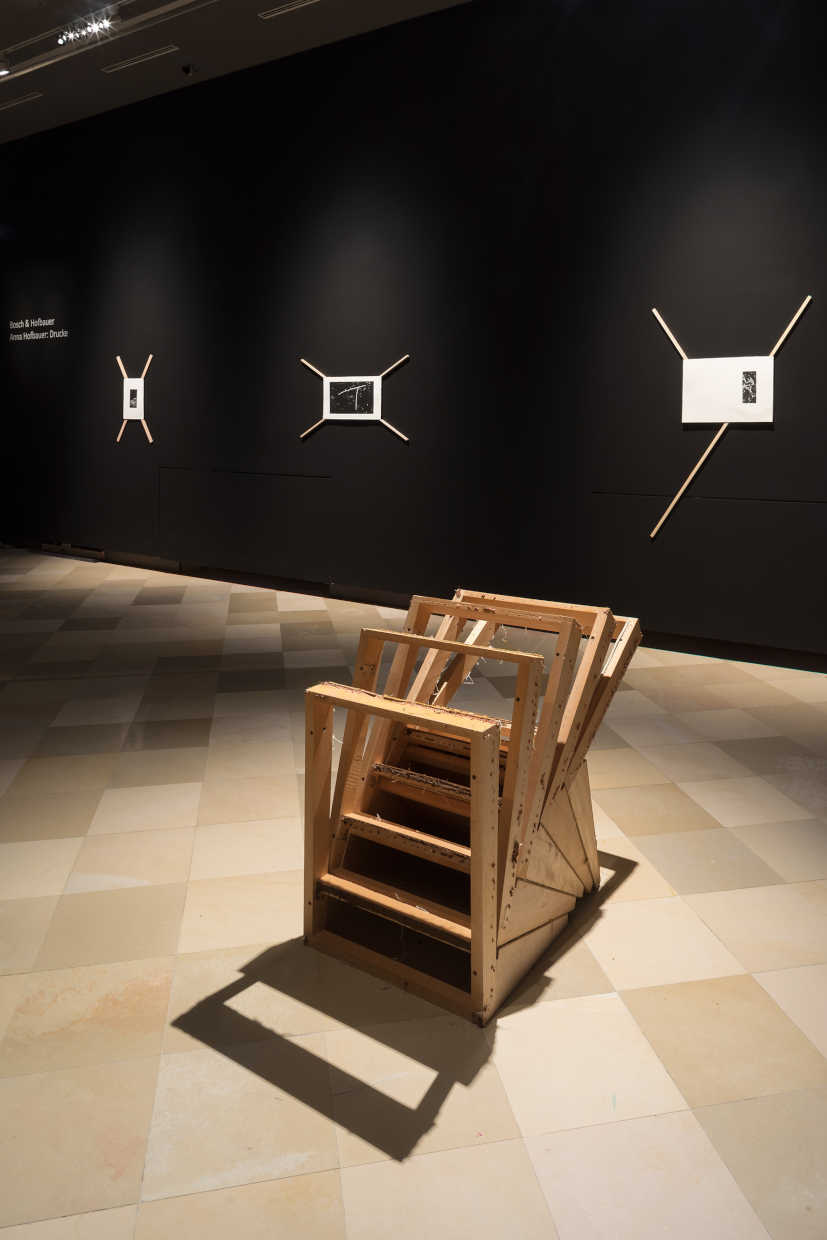
Pop-up church, 5 Rahmenelemente einer Sitzgarnitur, 58 x 114 x 89 cm, 2018
Bosch & Hofbauer, Gemäldegalerie Wien, Vienna, 2018, foto: Lisa Rastl
Pop-up church, Xallationen, Bosch & Hofbauer, Gemäldegalerie Wien, Vienna, 2018, foto: Lisa Rastl
Pop-up church, 5 Rahmenelemente einer Sitzgarnitur, 58 x 114 x 89 cm, 2018
Xallation “Bei den Kiefern” (near pine trees), beech wood, nails, stoneprint from Untersberg marble on paper, 80,5 x 54cm, 2017
Yallation “Im Bruch” (in the quarry), spruce wood, nails, stoneprint from Cannstatt travertine on paper, 143 x 93cm, 2018
Xallation “Im Wald” (in the forest), larch wood, nails, stoneprint from Untersberg marble on paper, 86 x 53cm, 2017
Xallation “Nach der Schrift” (after the writings), alder, nails, stoneprint from Untersberg marble on paper, 62,5 x 106,5cm, 2018
Xallation “Quelle” (source), oak wood, nails, stoneprint from Ringenberg marble on paper, 49 x 38cm, 2018

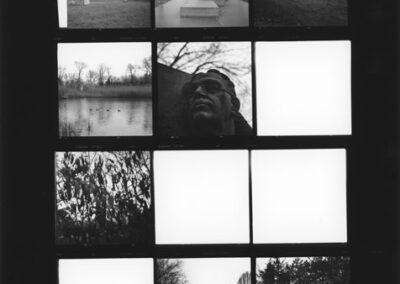
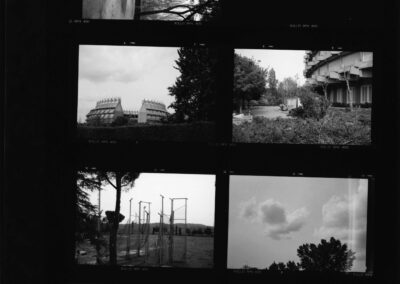
b/w contact sheets, 24,3 x 30,5 cm, 2018


b/w contact sheets, 24,3 x 30,5 cm, 2018
Ghoststory I, b/w contact sheet, 30,5 x 24,3 cm, 2017
Ghoststory II, b/w contact sheet, 30,5 x 24,3 cm, 2017
Ghoststory III, b/w contact sheet, 30,5 x 24,3 cm, 2017
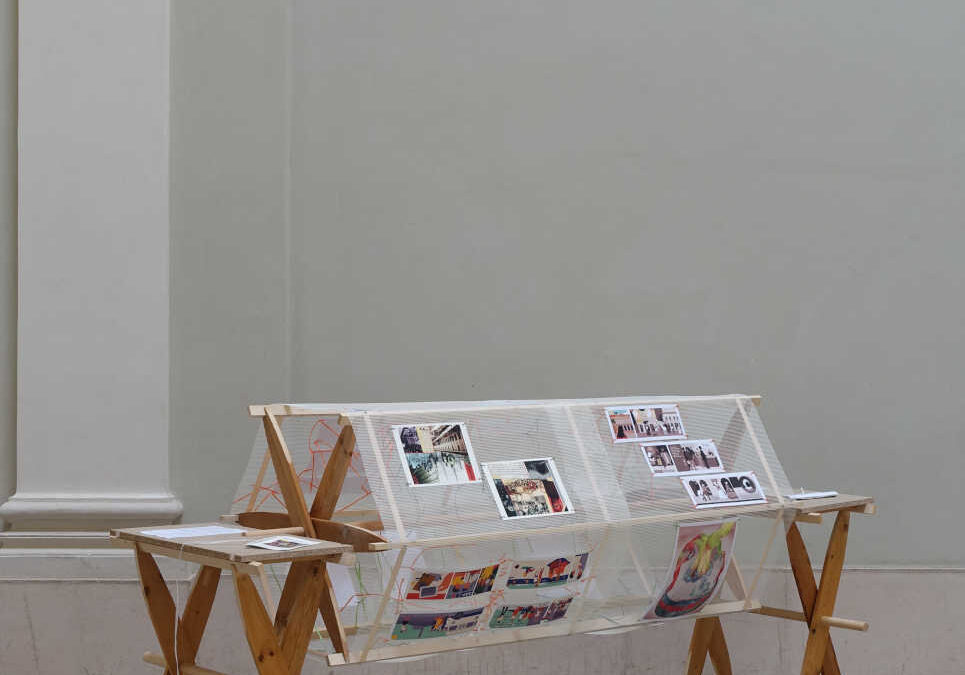
Stories of Work and Coercion: Scientific Contributions Depicted in Illustrations
Campus of the University of Vienna, 30 August – 3 September 2021
exhibition display: wood, reinforcement fabric, bast thread, cotton weight bags, 260 x 100 x 120 cm, 2021
The exhibition ‘Stories of Work and Coercion: Scientific Contributions Depicted in Illustrations’ intends to specifically point out the potential of the text-image relation for a multimedia historiography by introducing the illustrations of Dariia Kuzmych, Monika Lang and Tim Robinson. The visuals follow the scenarios developed by Anamarija Batista and Corinna Peres, based on academic texts by anthropologists and historians that were presented at the conference “Reconceptualising Wage Labour” 2020 in Budapest. The exhibition display, a rotating wooden drum, was developed by Anna Hofbauer.


Stories of Work and Coercion: Scientific Contributions Depicted in Illustrations
Campus of the University of Vienna, 30 August – 3 September 2021
exhibition display: wood, reinforcement fabric, bast thread, cotton weight bags, 260 x 100 x 120 cm, 2021
The exhibition ‘Stories of Work and Coercion: Scientific Contributions Depicted in Illustrations’ intends to specifically point out the potential of the text-image relation for a multimedia historiography by introducing the illustrations of Dariia Kuzmych, Monika Lang and Tim Robinson. The visuals follow the scenarios developed by Anamarija Batista and Corinna Peres, based on academic texts by anthropologists and historians that were presented at the conference “Reconceptualising Wage Labour” 2020 in Budapest. The exhibition display, a rotating wooden drum, was developed by Anna Hofbauer.
WORK AND COERCION, exhibition display: Anna Hofbauer, University of Vienna, 2021
WORK AND COERCION, exhibition display: Anna Hofbauer, University of Vienna, 2021
WORK AND COERCION, exhibition display: Anna Hofbauer, 2021, detail: Illustrations by Tim Robinson
WORK AND COERCION, exhibition display: Anna Hofbauer, 2021, detail: Illustrations by Dariia Kuzmych
WORK AND COERCION, exhibition display: Anna Hofbauer, 2021, detail: Booklet
WORK AND COERCION, exhibition display: Anna Hofbauer, 2021
WORK AND COERCION, exhibition display: Anna Hofbauer, 2021, detail: Illustrations by Monika Lang
WORK AND COERCION, exhibition display: Anna Hofbauer, 2021